
×


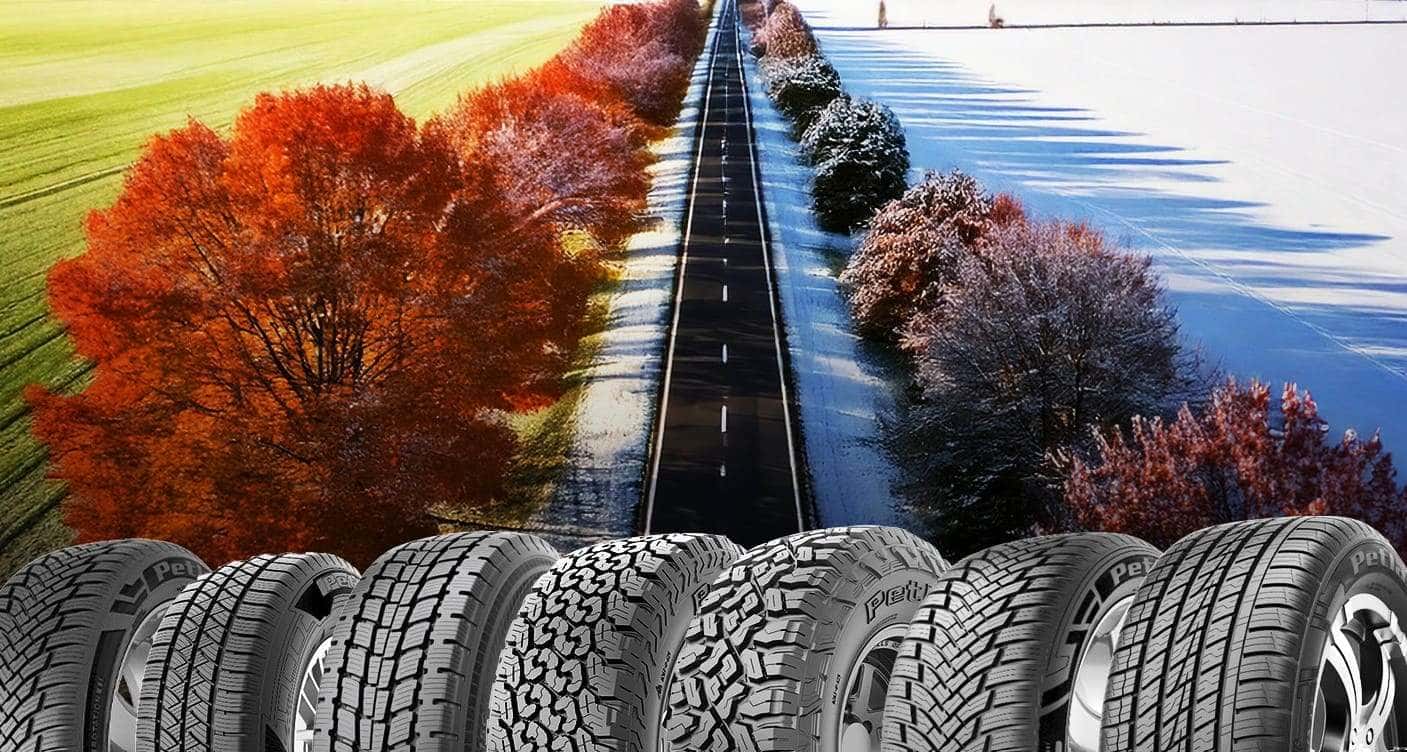
When choosing the right tires, drivers often look for a balance between performance, durability, and versatility. All-season tires are designed to handle various road conditions, making them a popular choice for drivers who want year-round usability. But how well do they actually perform?
This guide explores the performance of all-season tires, their key benefits, and how they compare to winter tires.
All-season tires are designed to perform well in a wide range of conditions, from dry summer roads to light snow. Here are some of the key advantages they offer:
✔ Versatility for Year-Round Use
Unlike summer or winter tires, all-season tires are engineered to provide reliable traction in both warm and cold temperatures.
They eliminate the need for seasonal tire changes, making them a convenient choice for drivers in moderate climates.
✔ Balanced Performance in Wet and Dry Conditions
These tires feature tread patterns that effectively disperse water, reducing the risk of hydroplaning on wet roads.
Their rubber compounds are optimized for stability and grip on both dry and rainy surfaces.
✔ Comfortable and Quiet Ride
Many all-season tires are designed to minimize road noise, offering a smoother and quieter driving experience.
The tread design prioritizes a balance between durability and ride comfort.
✔ Longer Tread Life
Compared to summer or winter tires, all-season tires often have longer tread life due to their durable rubber composition.
This makes them a cost-effective option for drivers who don’t want to replace tires frequently.
While all-season tires can handle a variety of conditions, they are not a perfect replacement for winter tires in extreme cold or heavy snow. Here’s how they compare:
✔ Winter Traction
Winter tires are made from softer rubber compounds that stay flexible in freezing temperatures, improving grip on snow and ice.
All-season tires remain functional in light snow but may struggle in severe winter conditions.
✔ Tread Design
Winter tires have deeper, more aggressive tread patterns designed to cut through ice and snow.
All-season tires have moderate tread depth, making them suitable for mild winter conditions but less effective in deep snow.
✔ Braking and Handling
Vehicles with winter tires typically have shorter braking distances on icy roads.
All-season tires perform well on dry and wet roads but may lose traction on icy surfaces.
If you live in an area with harsh winters, switching to winter tires during colder months is recommended for maximum safety.
All-season tires provide reliable year-round performance, making them an excellent choice for drivers in regions with mild winters. They offer good traction, durability, and comfort, making them a practical and cost-effective option.
However, if you frequently drive in heavy snow or icy conditions, winter tires remain the best choice for safety and performance. Choosing the right tire depends on your climate, driving habits, and performance expectations.
Looking for high-quality all-season tires? Explore our selection to find the perfect fit for your vehicle!

