
×


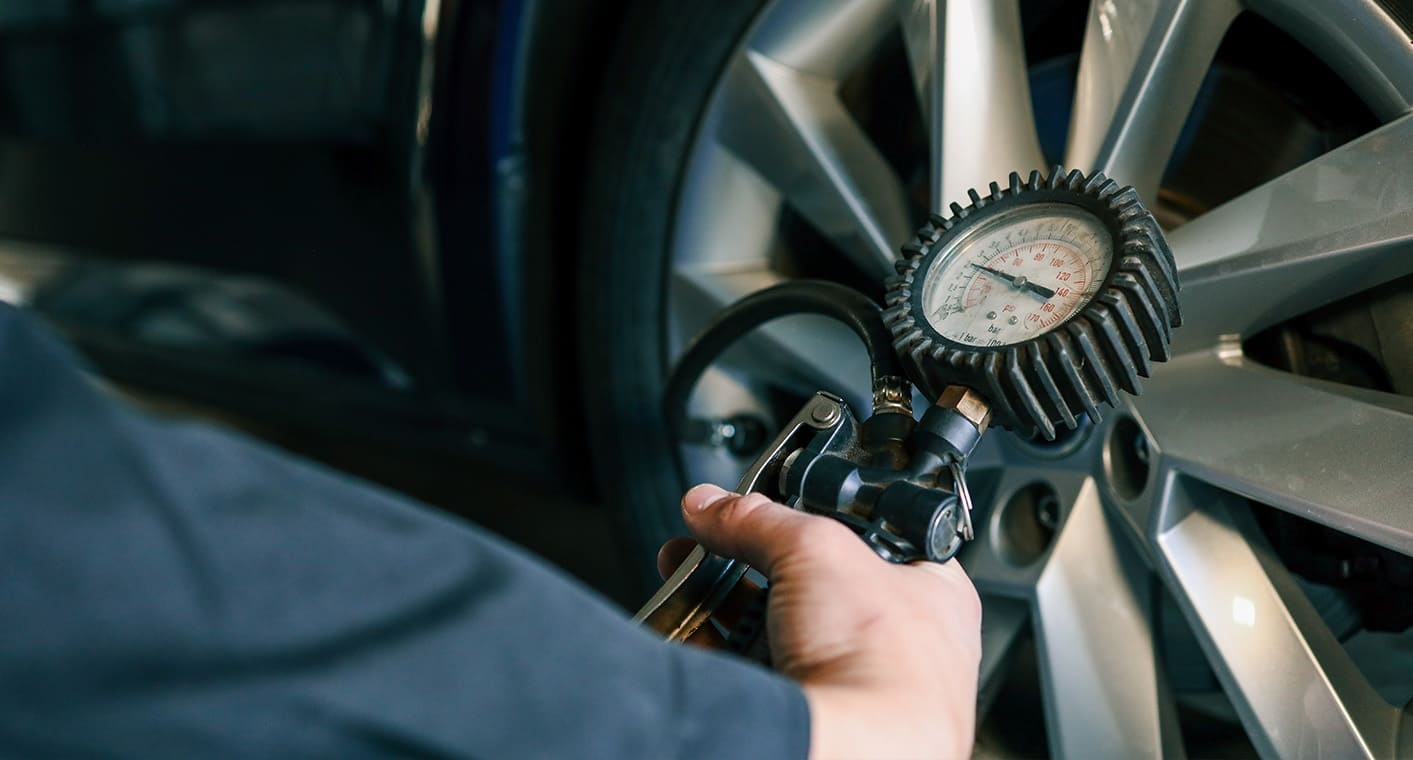
Tire pressure is one of the most critical aspects of vehicle maintenance, yet it’s often overlooked by drivers. Proper tire pressure ensures safety, fuel efficiency, and tire longevity. But what happens if it’s too high or too low? And how does it change with the seasons?
Ignoring tire pressure importance can lead to safety hazards, increased fuel consumption, and premature tire wear. That’s why understanding the importance of proper tire pressure is essential for every driver. Let’s take a deep dive into why it matters and how you should adjust it throughout the year.
Maintaining the correct tire pressure is crucial for several reasons:
Safety First: Underinflated tires create excessive flexing, leading to overheating and increasing the risk of blowouts. Overinflated tires, on the other hand, reduce road contact, resulting in poor traction and handling.
Fuel Efficiency: Low tire pressure increases rolling resistance, forcing your engine to work harder and consume more fuel. Proper inflation improves mileage, saving you money.
Tire Longevity: Uneven wear patterns from incorrect tire pressure can significantly reduce tire lifespan. Properly inflated tires wear evenly and last longer.
Braking Performance: With the correct tire pressure, your vehicle maintains optimal road contact, reducing stopping distances and improving overall control.
Ride Comfort: Tires that are too soft make for a sluggish and unstable ride, while overinflated tires make it unnecessarily harsh.
Understanding how important tire pressure is means adjusting it according to seasonal changes. Let’s break down how it fluctuates in different weather conditions.
Cold temperatures cause air molecules to contract, leading to lower tire pressure. In fact, for every 10°C (18°F) temperature drop, your tire pressure can decrease by 1-2 PSI. This makes winter one of the most important times to check your tires.
✔ Check tire pressure weekly, especially after temperature drops.
✔ Inflate tires to manufacturer-recommended levels.
✔ Consider using winter tires for better grip and performance.
Failing to adjust for winter tire pressure can lead to poor traction on icy roads, reduced fuel economy, and increased wear.
During hot months, tire pressure tends to rise as air expands inside the tire. Overinflation can cause tires to become stiff, reducing road contact and making them more vulnerable to blowouts.
✔ Measure pressure when tires are cold to get accurate readings.
✔ Avoid overinflation, which can cause uneven tread wear.
✔ Park in shaded areas to minimize heat buildup.
Long highway trips in extreme heat can put additional stress on overinflated tires, so keeping an eye on tire pressure is essential.
Spring temperatures fluctuate significantly, causing tire pressure to rise and fall unpredictably. Wet conditions also require maximum tire grip, making regular pressure checks a must.
✔ Check pressure regularly as temperature variations affect inflation levels.
✔ Ensure tread depth is adequate for wet roads.
✔ Rotate tires if needed for even wear.
As road conditions change with spring rain, well-inflated tires provide better traction and stability.
Autumn marks the transition from hot to cold, which means tire pressure will gradually decrease. Wet and slippery roads make proper tire maintenance even more crucial.
✔ Monitor pressure as temperatures drop.
✔ Inspect tread depth and sidewall condition.
✔ Prepare for winter by considering a switch to winter tires.
Neglecting tire pressure during fall can lead to reduced control, especially when sudden cold fronts arrive.
Understanding the importance of proper tire pressure is key to safe, efficient driving. A well-maintained tire ensures fuel savings, longer lifespan, and better road safety. Don’t let seasonal changes catch you off guard—make tire pressure checks a habit!
Want to explore tires that keep you safe in all conditions? Visit Petlas to find the right fit for your driving needs.

