
×


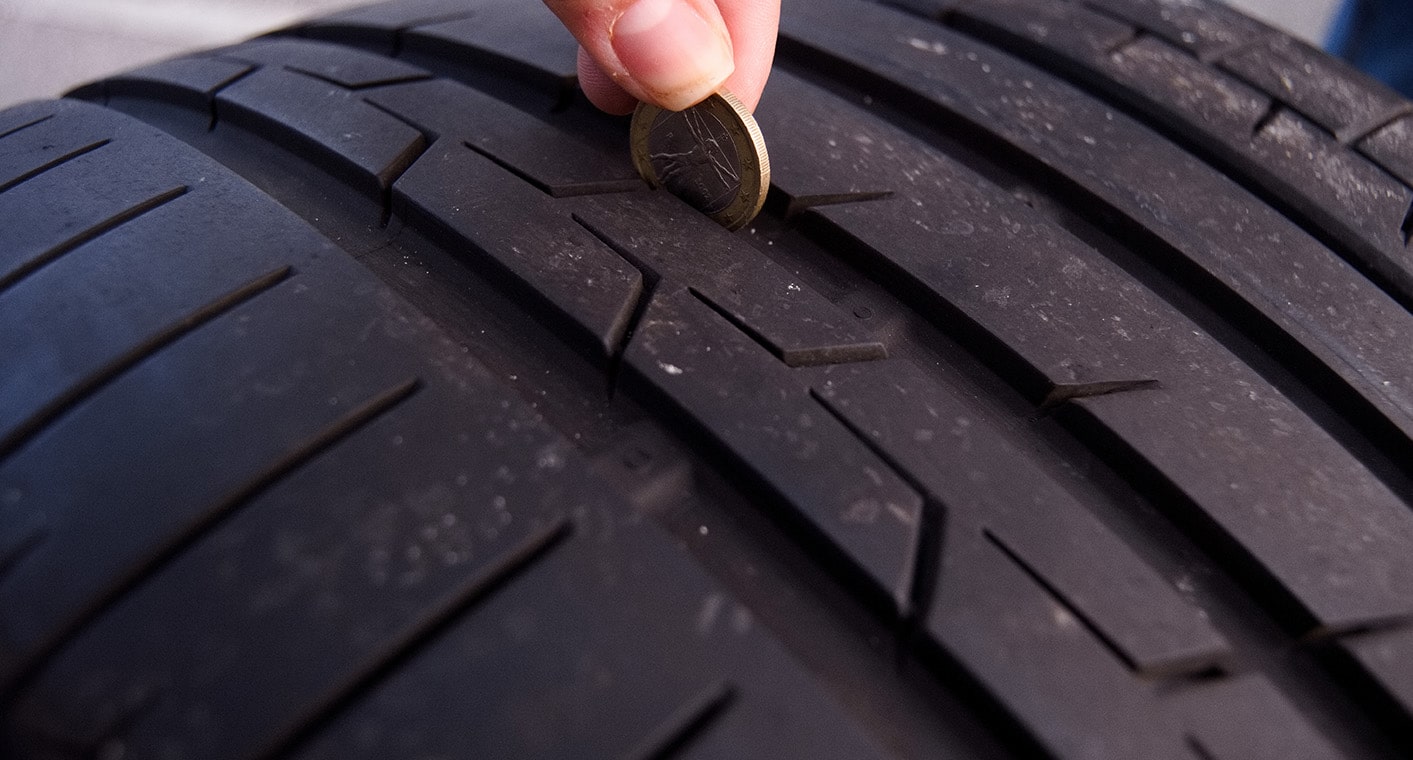
Tires are the unsung heroes of every journey, ensuring safety, comfort, and performance. However, worn-out tires can compromise your driving experience and put you at risk. But how do you know when it’s time for a tire change? Regular tire health checks and proper tire condition checking are essential to determine if your tires are still roadworthy. In this guide, we’ll explore effective methods to check your tires and ensure they’re in good shape.
Checking your tires for wear and damage doesn’t require a professional inspection every time. Here are some steps to identify if your tires need replacing:
Tread Depth Check: The tread on your tires should never fall below 1.6 millimeters. Many tires have built-in tread wear indicators that become visible when the tread reaches its minimum depth.
Uneven Wear: Inspect for uneven tread wear, which may indicate alignment or suspension issues.
Cracks and Bulges: Look for visible cracks, bulges, or cuts on the sidewalls. These signs often mean the tire is no longer safe to use.
Tire Age: Even if they appear fine, tires older than six years should be replaced due to material degradation.
It’s not always easy to tell if your tires are still safe for use. Some of the most common indicators that you might need a tire change include:
Low Tread Depth: If the tread is worn down to the wear bars or below 1.6 millimeters, it’s time to replace the tires.
Poor Performance: Experiencing longer stopping distances, reduced traction, or decreased handling can be signs of tire wear.
Increased Noise or Vibration: Excessive road noise or vibration could indicate issues with the tire’s structure or balance.
Frequent Air Loss: If your tires lose air pressure quickly, it may be due to a puncture, damaged rim, or weakened tire structure.
Conducting a quick tire check at home can help you monitor your tire's condition. Here’s what you should do:
The penny test is a quick and widely used method to check tread depth, but its accuracy is limited. While it helps you identify tires that are extremely worn, it doesn’t provide precise measurements. For better accuracy, a tread depth gauge is recommended, as it measures the exact depth in millimeters or inches. Regular checks using tools or professional assistance ensure you maintain the health of your car tires and avoid unnecessary risks.
Regular tire inspections are vital for safety and performance. By understanding key indicators like tread depth, wear patterns, and sidewall integrity, you can make informed decisions about when to replace your tires. Whether you rely on the penny on tire test or invest in a tread depth gauge, proactive tire condition checking ensures peace of mind on the road.
For a reliable selection of high-quality car tires, explore the range offered by Petlas tires. Designed for durability, safety, and performance, Petlas tires are the perfect choice for any driver looking to stay ahead of wear and tear.

